Why Coloring Patterns Matter More Than You Think
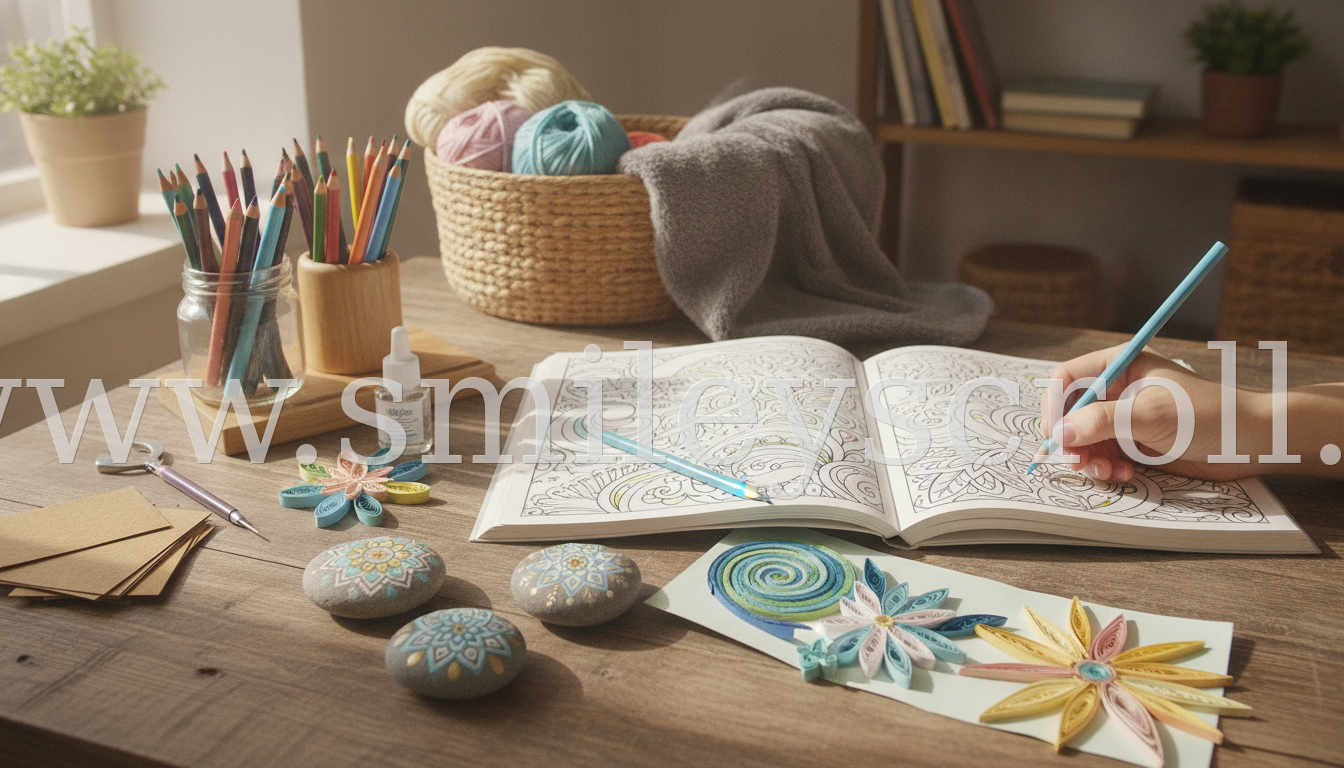
By now, most people have heard that adult coloring books can lower stress. What almost nobody talks about is that the type of pattern you color matters just as much as the act of coloring itself. A tightly symmetrical mandala soothes your nervous system in a very different way than a loose, organic floral design or a precise geometric grid. If you've tried coloring before and felt "meh" about it, the problem might not be the hobby — it might be that you picked the wrong pattern for your brain.
This article digs into the overlooked science and psychology behind pattern selection, so you can stop guessing and start choosing designs that actually match what your mind needs in the moment.
Why Pattern Type Changes the Relaxation Experience
Coloring engages the brain through repetitive, focused motor movement paired with visual attention — a combination researchers associate with a mild meditative state. But different pattern structures activate that state through different mental routes:
- Symmetrical mandalas encourage bilateral, rhythmic hand movement and a sense of order, which can quiet racing thoughts and anxious loops.
- Geometric and tessellated patterns demand more precise attention to lines and boundaries, which is excellent for pulling a scattered mind into sharp focus (great for people who struggle to "switch off").
- Organic florals and nature scenes have irregular, flowing shapes that invite looser, more improvisational coloring — better suited to emotional release than mental discipline.
- Complex micro-detail patterns (like tiny paisleys or dense linework) slow you down almost forcibly, which helps if your stress shows up as physical restlessness.
In other words, coloring isn't a one-size-fits-all stress tool. It's more like choosing the right type of exercise for how your body feels that day.
Matching Patterns to Your Stress Type
If Your Mind Won't Stop Racing
Choose highly symmetrical mandalas or radial designs. The predictability of the pattern gives your brain a repetitive "anchor" to follow, similar to counting breaths. Start from the center and work outward — this small ritual itself signals to your nervous system that it's time to slow down.
If You Feel Foggy or Unfocused
Reach for geometric patterns with clean lines and defined sections, like grids, chevrons, or interlocking shapes. The need for precision naturally sharpens attention, which can feel clarifying rather than draining — almost like a warm-up for the mind.
If You're Emotionally Overwhelmed
Pick organic, flowing designs — florals, leaves, waves, abstract swirls. These shapes don't require exact line-matching, so there's less pressure to "get it right." This freedom often allows suppressed emotions to surface gently while your hands stay busy.
If You're Physically Wound Up (Restless Legs, Fidgeting, Tension)
Go for dense, intricate micro-patterns. Because these designs take longer and require small, careful strokes, they force your body to slow its pace, which can ease physical tension over time.
The Overlooked Role of Page Density
Beyond pattern shape, consider how much "empty space" a page has. A densely packed page can feel absorbing and immersive — ideal for escaping intrusive thoughts. A sparser page with more white space can feel lighter and less demanding, which suits days when you have low energy but still want a creative outlet. If a page feels overwhelming rather than calming, it's a sign the density doesn't match your current capacity — not that coloring "isn't working" for you.
Color Choice: The Quiet Partner to Pattern Choice
Pattern and color work together. A calming mandala colored in jarring neon might counteract the soothing structure of the design. As a general (not strict) guide:
- Cool tones (blues, greens, soft purples) tend to support a calming, grounding effect.
- Warm tones (reds, oranges, yellows) can feel energizing — useful if your stress presents as low mood or fatigue rather than anxiety.
- Monochrome palettes (shades of one color) reduce decision fatigue, which is helpful if you're already mentally exhausted.
There's no universal rule here — the goal is simply to notice how palette choices shift your mood, then use that awareness intentionally.
Practical Tips for Building a Pattern-Aware Coloring Routine
- Keep a mixed library. Instead of one coloring book, have a small rotation: one mandala-heavy book, one geometric book, one nature/floral book. Choose based on how you feel that day, not what's next in the book.
- Do a 10-second check-in first. Before picking up a pencil, ask: Is my mind racing, foggy, emotional, or physically restless? Let the answer guide your pattern choice.
- Notice your finishing feeling, not just the process. Some patterns feel great mid-coloring but leave you flat afterward. Track which types leave you calmer an hour later — that's the real signal of effectiveness.
- Don't force completion. Coloring for stress relief isn't about finishing the page. Stopping halfway once you feel calm is a completely valid outcome.
- Pair pattern type with the right tool. Fine-tip pens suit micro-detail patterns; broad colored pencils or markers suit large florals and mandalas, letting the stroke size match the design's energy.
Why This Matters More Than "Just Coloring to Relax"
Treating pattern choice as a deliberate part of your coloring practice turns a passive hobby into an active, responsive self-care tool — much like choosing a specific yoga flow or breathing exercise based on your mood. It also explains why some people "give up" on coloring books after one try: they simply never found the pattern style that matched their nervous system's needs.
Conclusion
Adult coloring books offer more than a pleasant distraction — they offer a customizable form of stress relief, if you know how to choose wisely. By matching mandalas, geometrics, florals, and micro-patterns to your specific mental or physical state, you transform coloring from a generic relaxation trend into a targeted, effective ritual. Next time you sit down to color, pause for a moment first and ask what your mind and body actually need — then let the pattern do the rest.