Why Adult Coloring Beats Meditation Apps for Stress
You've downloaded the meditation app. You've tried the guided breathing exercises. You've sat cross-legged on a cushion, waiting for your racing thoughts to slow down—and instead spent ten minutes wondering if you're "doing it right." If this sounds familiar, you're not alone, and you're not bad at relaxing. You might just be using the wrong tool. For a growing number of stressed-out adults, a box of colored pencils and a well-designed coloring page is doing what silent meditation never could: quieting the mind without demanding stillness first.
This isn't a knock on meditation—it's a legitimate, research-backed practice. But adult coloring books offer a different, often easier, entry point into the same calm, present-moment state. Here's the specific angle most articles skip: why an active, hands-on practice can outperform a passive, thoughts-only one for people whose stress lives in a busy, anxious mind.
The Problem With "Just Sit and Breathe"
Traditional meditation asks your brain to do something it's not wired to do easily: observe thoughts without engaging them. For beginners—especially those with high anxiety or ADHD tendencies—an empty mind is a moving target. The instruction "clear your thoughts" can itself become a stressor, a task to fail at.
Coloring sidesteps this entirely. Instead of trying to empty your mind, you give it a small, absorbing job: choose a color, stay inside the line, blend a shadow. The mental chatter doesn't disappear through force of will—it fades because your attention is quietly, physically occupied elsewhere.
What's Actually Happening in Your Brain
Coloring intricate mandalas or detailed illustrations nudges the brain into what psychologists call a flow state—that pleasant, time-disappearing focus you get from any absorbing, moderately challenging task. Flow states are associated with:
- Lowered activity in the amygdala, the brain's alarm center responsible for fear and stress responses
- Reduced cortisol levels, similar to effects seen in short meditation sessions
- A shift away from the default mode network, the brain circuitry linked to rumination and anxious "mind-wandering"
A frequently cited 2005 study by art therapist Nancy Curry found that structured coloring (like a mandala) reduced anxiety more than free-form drawing or coloring on a blank page—suggesting that the repetitive, contained patterns common in adult coloring books aren't just pretty; they're functionally calming because they give the mind gentle structure to lean on.
Why the "Adult" in Adult Coloring Books Matters
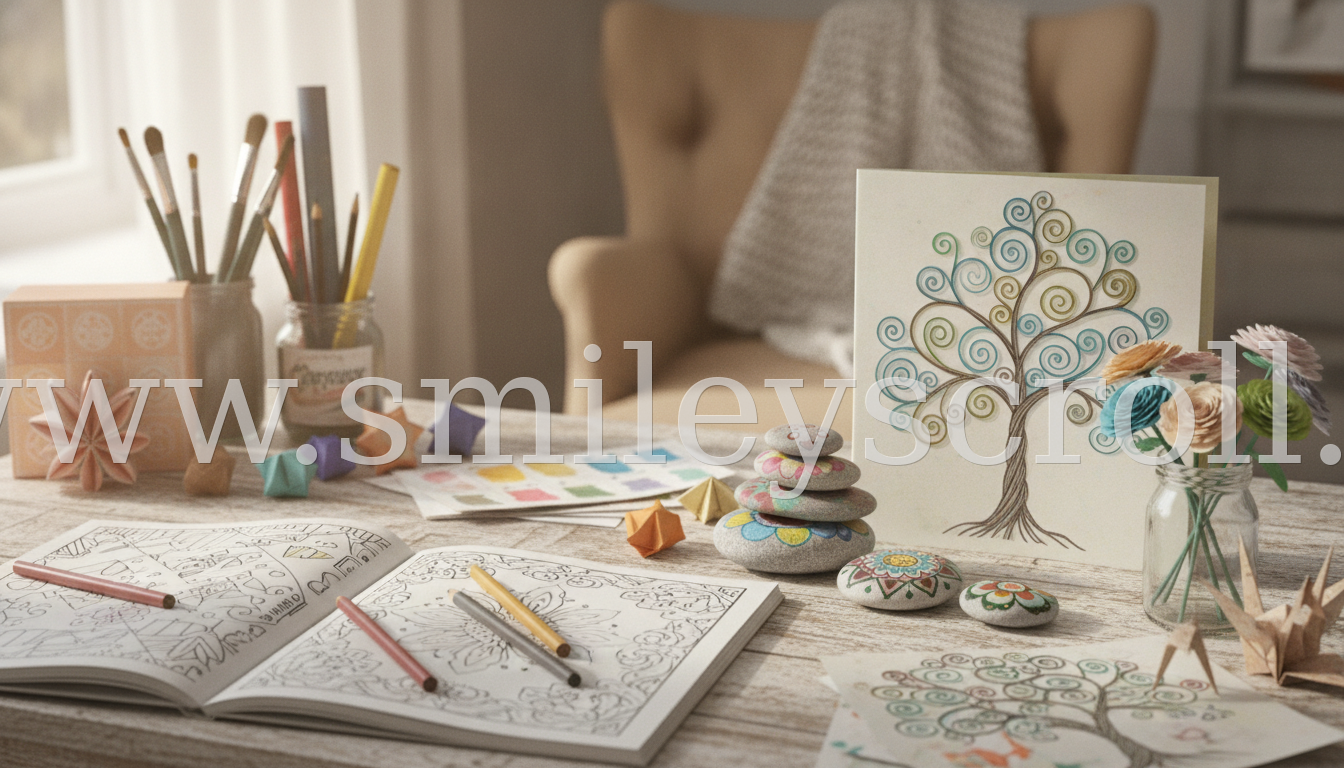
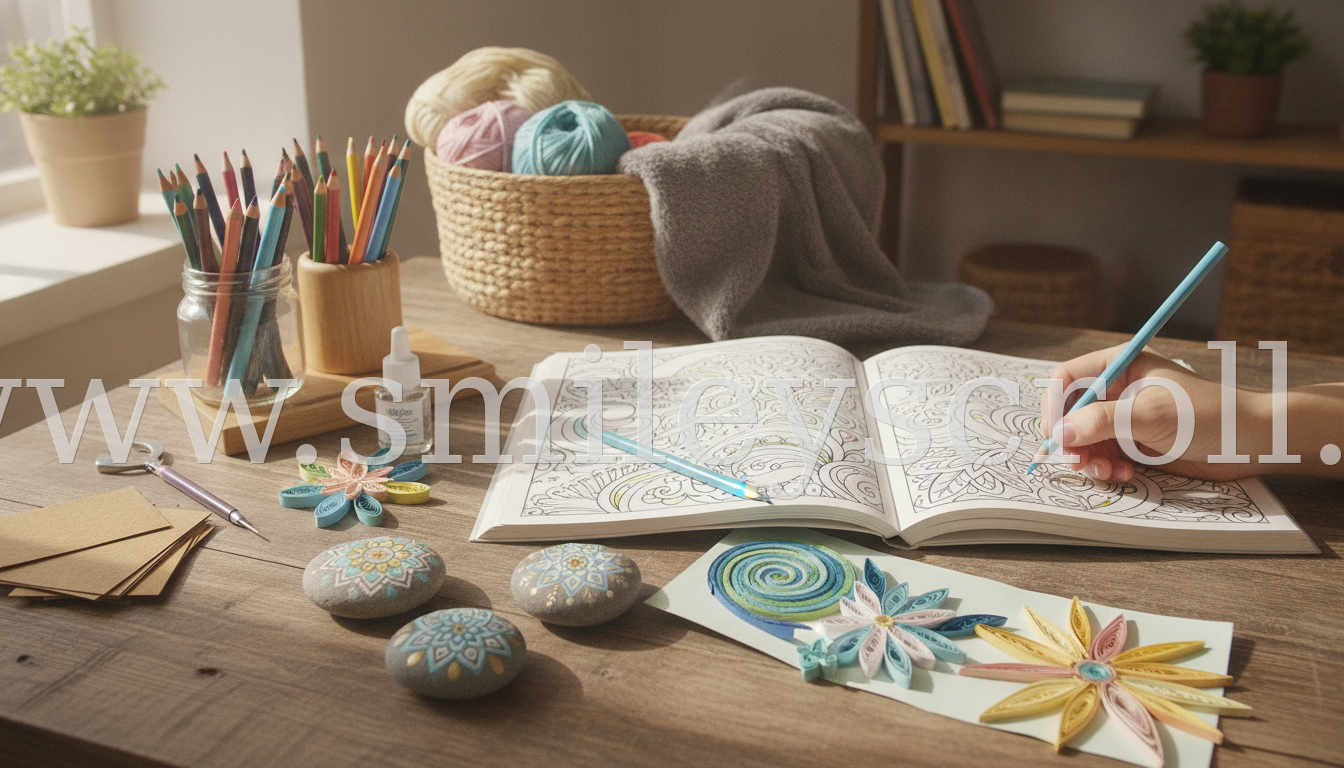
Children's coloring books use simple shapes because kids are building motor skills. Adult coloring books, by contrast, are intentionally intricate—dense florals, geometric mandalas, layered quilted-paper designs, tiny textures. That complexity is a feature, not a flaw. Simple pages get finished too quickly and don't demand enough attention to fully crowd out intrusive thoughts. Detailed pages create just enough challenge to hold focus for 20, 40, even 90 minutes, which is exactly the window many people need to downshift out of a stressed state.
Coloring as "Meditation With Training Wheels"
Rather than framing coloring as competition to meditation, think of it as a gateway practice:
- It builds your attention muscle. Staying focused on filling a small section trains the same sustained-attention skills that formal meditation requires—just with a visual anchor instead of the breath.
- It's forgiving. If your mind wanders, you notice it the moment your pencil drifts outside the line. That's an instant, judgment-free cue to return to the page, similar to noticing you've drifted from your breath in meditation.
- It produces something. Unlike a meditation session, which leaves no visible trace, a finished coloring page is tangible proof you spent time on yourself. That small sense of accomplishment reinforces the habit.
Practical Tips to Get the Full Stress-Relief Benefit
Coloring only works as a relaxation tool if you set it up right. A few adjustments make a big difference:
- Pick complexity that matches your stress level. When you're highly wound up, choose a denser, more detailed page—the extra focus required helps crowd out anxious thoughts faster than a simple design.
- Go screen-free. Keep your phone in another room. Part of coloring's power is that it's one of the few hobbies left that doesn't ping, buzz, or autoplay the next thing.
- Use color intentionally, not perfectly. There's no wrong color for a leaf. Letting go of "correctness" is itself a mini practice in reducing perfectionism, a common stress driver.
- Color at the same time daily. Even 15 minutes before bed or after work, done consistently, trains your nervous system to associate the ritual with winding down—much like a bedtime meditation habit.
- Pair it with slow breathing, not silence. You don't have to choose between coloring and mindfulness. Take three slow breaths before you start; it primes your body to settle in faster.
- Notice your grip. Gripping the pencil too tightly is a physical stress habit. Periodically check that your hand, shoulders, and jaw are relaxed as you work.
Who Benefits Most From This Approach
Coloring-as-stress-relief tends to resonate especially with:
- People who find silent meditation frustrating or "boring"
- Those recovering from mentally demanding workdays who need a transition activity before switching to family time or sleep
- Anyone managing mild anxiety who wants a low-stakes, screen-free coping tool
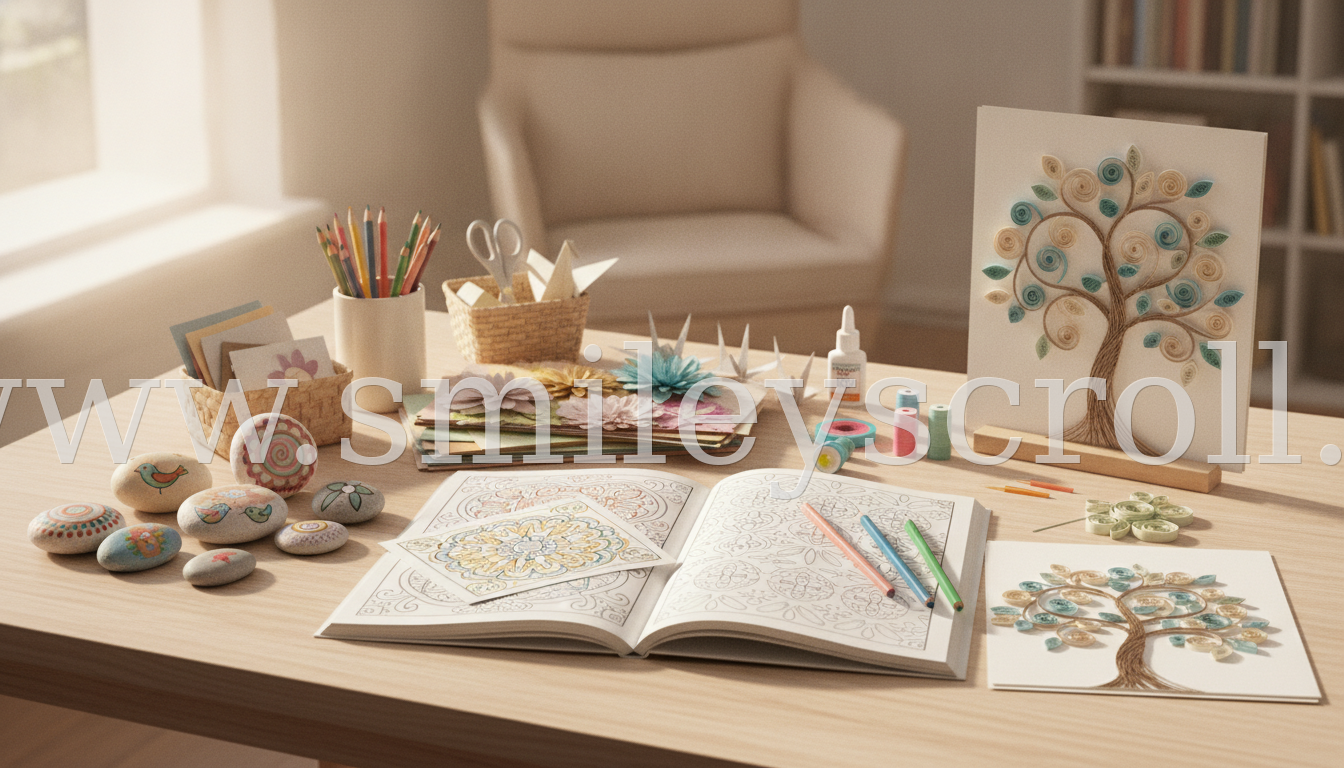
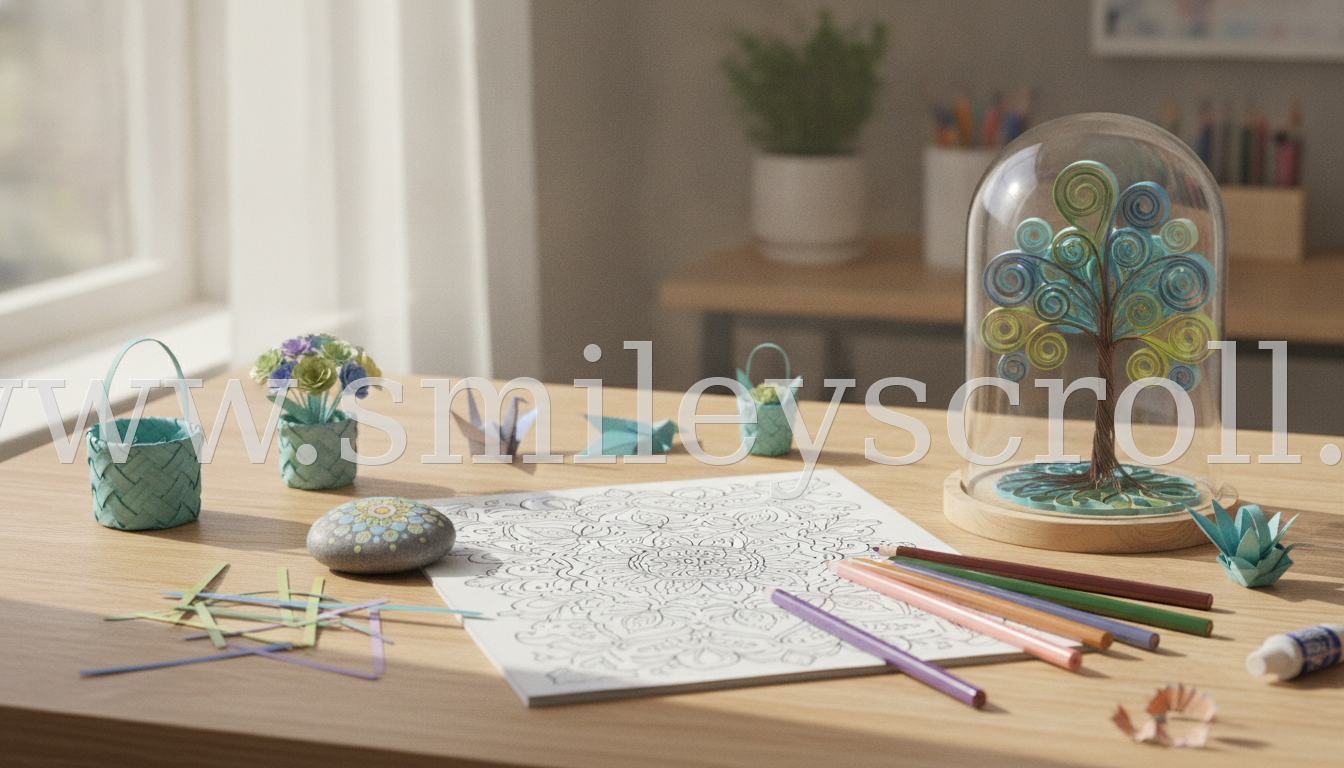
- Crafters who also enjoy rock painting or paper quilling and want a lower-commitment creative outlet on busier days
The Takeaway
Meditation and adult coloring aren't rivals—they're two doors into the same room: a calmer, more present nervous system. But if traditional stillness-based meditation has never quite clicked for you, don't assume mindfulness itself is off the table. Pick up a detailed coloring book, a few good pencils, and give your hands something to do while your mind finally gets permission to slow down. Sometimes the fastest way to a quiet mind is through busy fingers.