Papercraft Hobby 101: Your Guide to Getting Started
There's something magical about turning a flat, humble sheet of paper into a three-dimensional flower, a swirling mandala, or a tiny painted pebble that looks like a work of art. That magic is exactly why the papercraft hobby has exploded in popularity over the last few years. Whether you're looking for a screen-free way to unwind after work, a creative outlet for anxious energy, or a fun weekend project to share with kids, papercraft offers something for everyone. Best of all, you don't need a studio, expensive equipment, or years of art school training to get started — just a little curiosity and a handful of affordable supplies.
In this guide, we'll walk through what makes papercraft such a rewarding hobby, the different styles you can explore (including quilling, rock painting, and coloring), and practical tips to help you dive in with confidence.
What Exactly Is Papercraft?
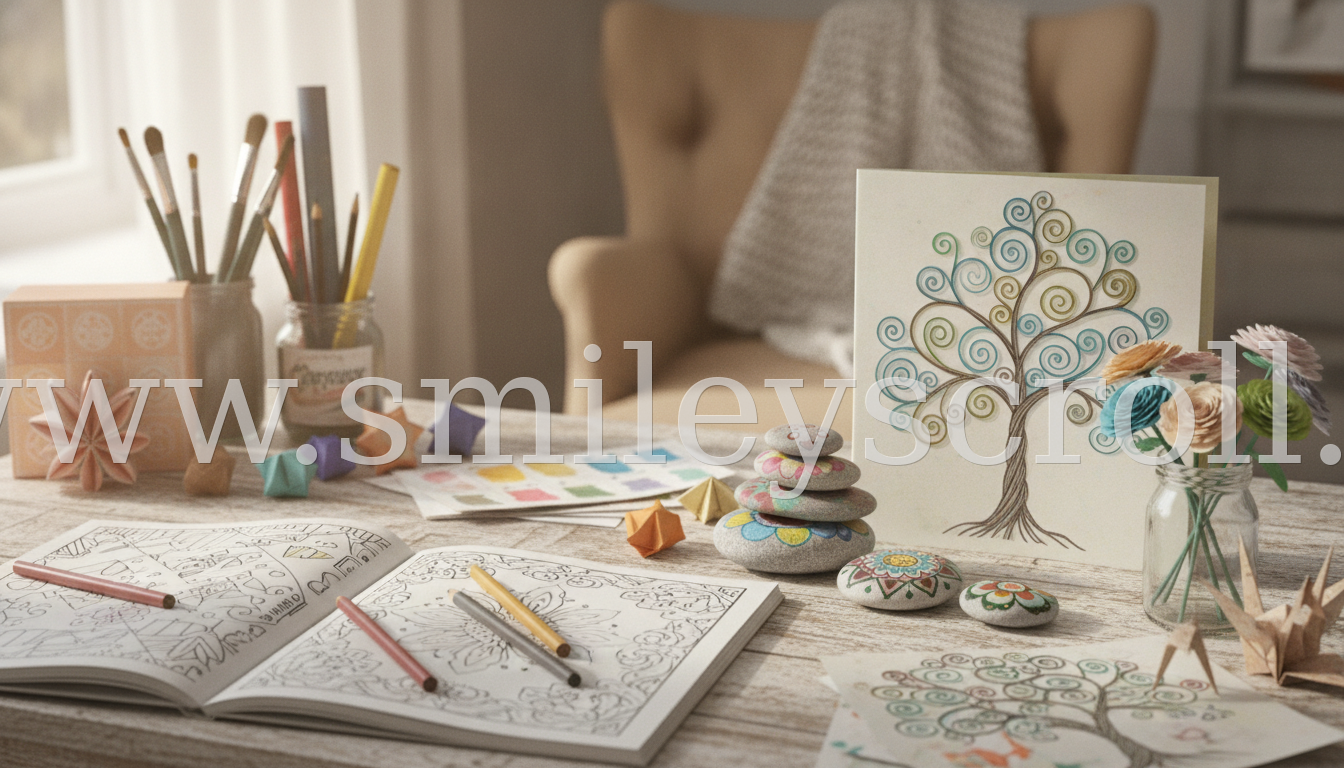
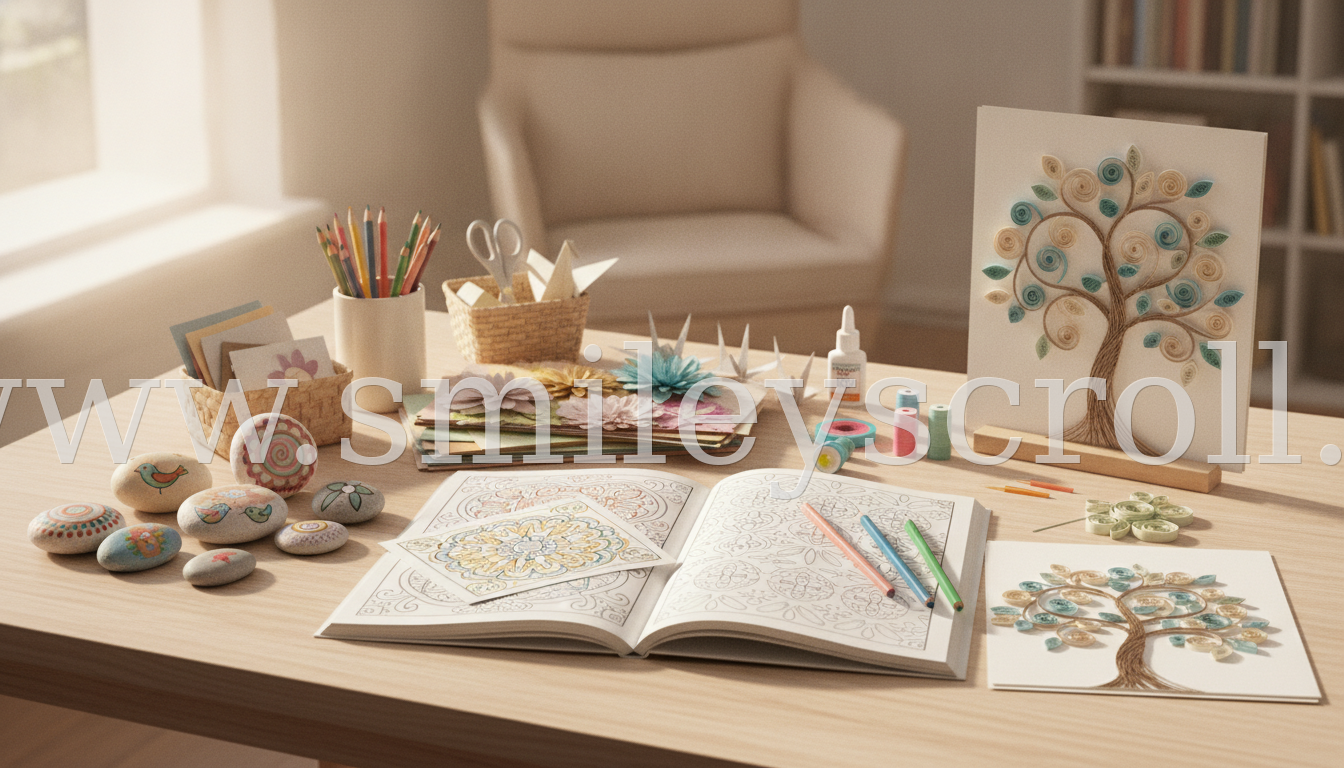
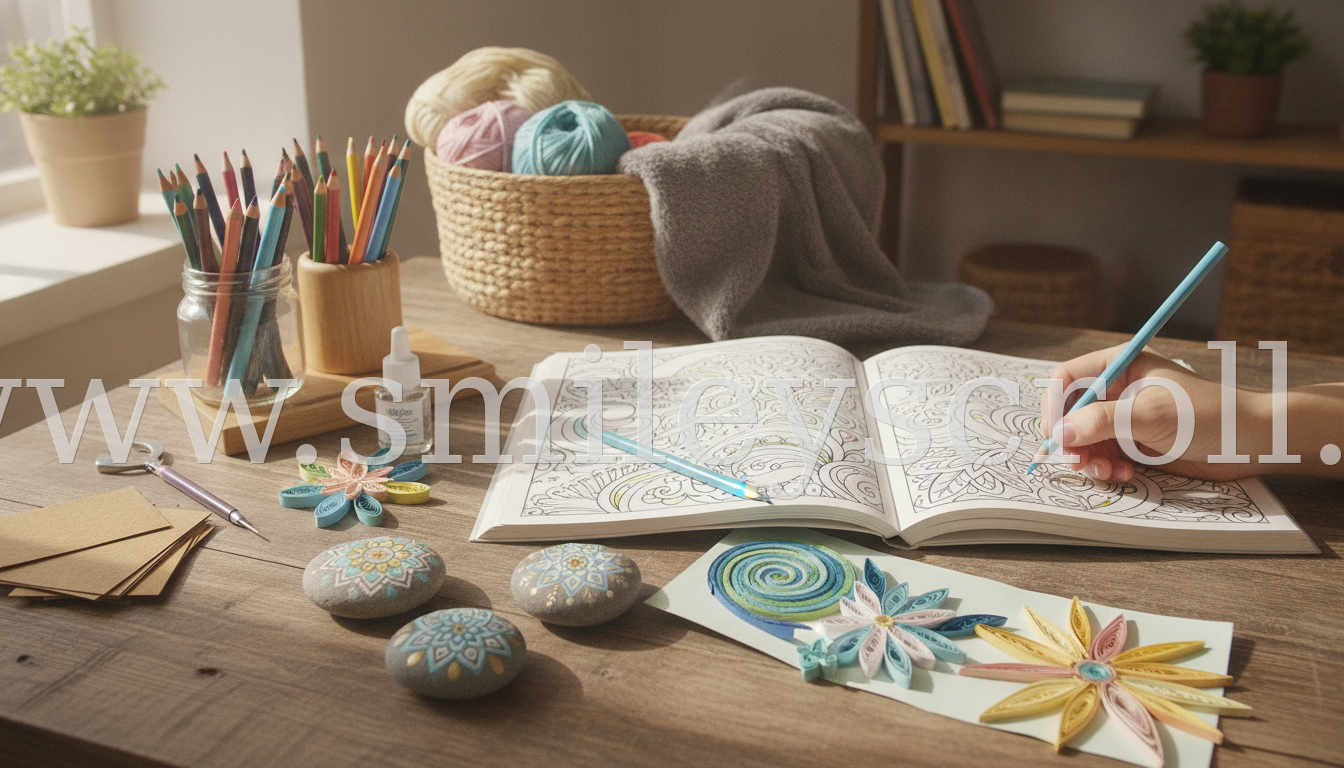
"Papercraft" is an umbrella term for any creative activity that uses paper as its primary material. It includes everything from origami and scrapbooking to card-making, paper cutting, and the beautifully intricate art of paper quilling. Some crafters also stretch the definition to include adjacent relaxing hobbies like rock painting and adult coloring books, since they share the same meditative, low-cost, and highly portable appeal.
What ties all these activities together is the sense of accomplishment that comes from making something tangible with your own hands — no digital screen required.
Why Papercraft Is Such a Rewarding Hobby
- It's budget-friendly: Basic supplies like cardstock, glue, and a slotted quilling tool often cost less than a movie ticket.
- It's meditative: The repetitive motions of rolling paper strips or filling in coloring pages can lower stress and quiet a busy mind.
- It's endlessly versatile: You can make home decor, greeting cards, jewelry, wall art, or gifts — the possibilities are nearly limitless.
- It's beginner-friendly: Most papercraft techniques have a gentle learning curve, so you can see satisfying results almost immediately.
- It's portable: Many projects fit into a small kit you can toss in a bag and take anywhere.
Popular Papercraft Styles to Try
1. Paper Quilling
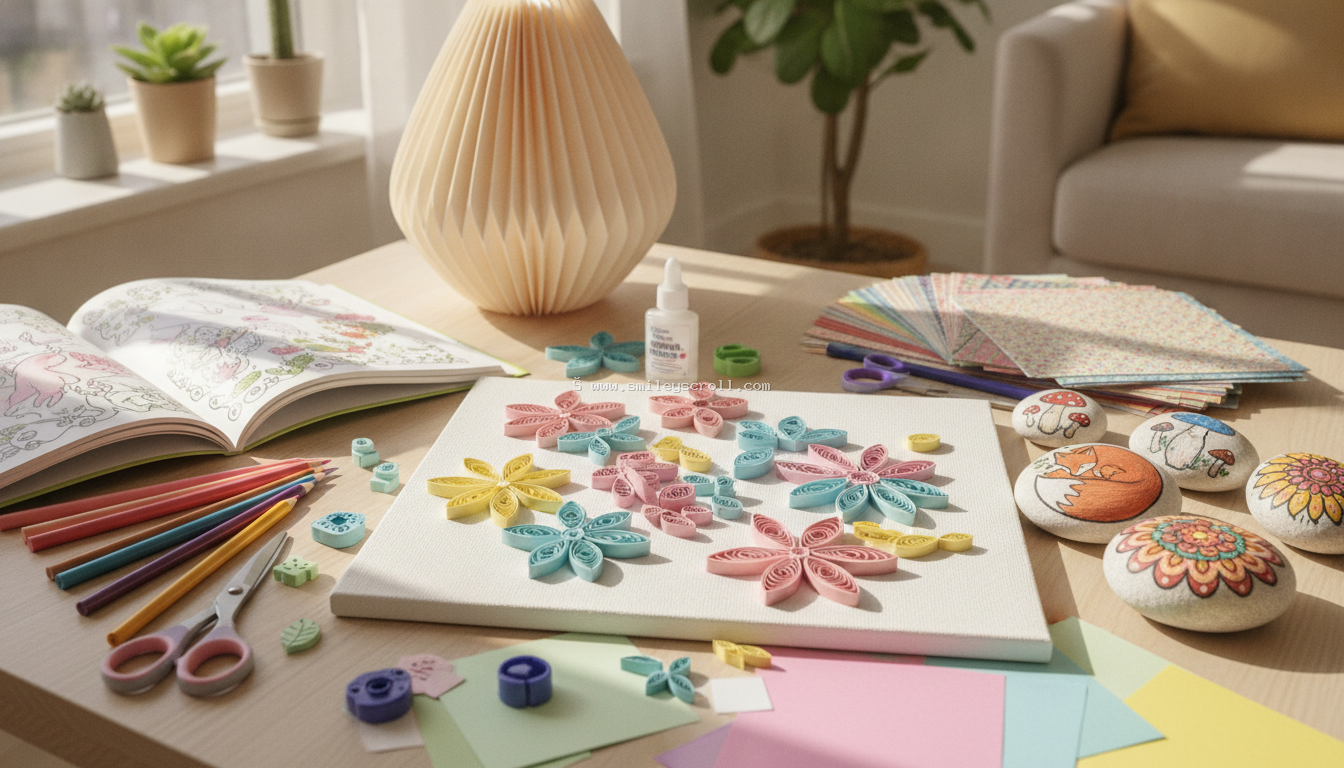
Quilling involves rolling thin strips of paper into coils and shaping them into elegant designs — flowers, swirls, animals, and geometric patterns are all popular choices. It requires just a few basic tools: a slotted quilling tool, quilling paper strips, glue, and a pair of tweezers for fine detail work. Once you learn the basic coil, teardrop, and marquise shapes, you can combine them endlessly to build intricate designs for cards, framed art, or even earrings.
Tip: Start with a simple flower or heart design before attempting detailed scenes. Mastering the basic shapes first will make more advanced projects far less frustrating.
2. Rock Painting
While not paper-based, rock painting is a close cousin to papercraft in spirit — it's low-cost, relaxing, and great for all skill levels. Smooth stones become tiny canvases for mandalas, inspirational quotes, animals, or seasonal designs. Many crafters pair rock painting with paper crafting by creating matching gift tags or packaging for painted stones.
3. Adult Coloring Books
Coloring books for grown-ups have become a wellness staple, and it's easy to see why. Intricate mandalas, floral patterns, and nature scenes give your brain a calming task to focus on while still leaving room for creative color choices. Coloring pairs beautifully with quilling and card-making, since finished pages can be cut out and incorporated into handmade cards or framed as wall art.
4. Card-Making and Paper Cutting
If you enjoy sending handmade greetings, card-making combines multiple papercraft skills — quilling accents, colored cardstock layering, stamping, and paper cutting — into one satisfying project. Paper cutting (kirigami) in particular produces stunning silhouette-style art with just a craft knife and steady hands.
Getting Started: Essential Supplies
You don't need to buy everything at once. Start small with a basic kit and expand as your interests grow. Here's a simple starter list:
- Quilling paper strips in a few colors
- A slotted quilling tool and tweezers
- Precision scissors and a craft knife
- Acid-free glue or a glue pen
- Cardstock or cardboard base for mounting designs
- A coloring book and a set of fine-tip markers or colored pencils
- Acrylic paint and paintbrushes if you want to try rock painting too
Practical Tips for Papercraft Beginners
- Start with kits. Beginner kits take the guesswork out of buying supplies and usually include instructions for a few simple projects.
- Watch tutorials before you buy. A five-minute video can save you from purchasing the wrong tools or paper weight.
- Practice basic shapes repeatedly. In quilling especially, muscle memory makes a huge difference in the neatness of your finished coils.
- Use the right glue. Too much glue warps paper and ruins clean edges — a fine-tip glue applicator or toothpick helps control the amount.
- Don't rush drying time. Whether it's glue on a quilled flower or paint on a rock, patience prevents smudges and shifting.
- Join a community. Online groups and local craft meetups are great for inspiration, troubleshooting, and encouragement when you're stuck.
- Keep a project journal or photo log. Tracking your progress is motivating and helps you see how quickly your skills improve.
Making Papercraft a Sustainable Hobby
One of the quiet joys of papercraft is how eco-friendly it can be. Save scrap cardstock for smaller quilling accents, repurpose old magazines for paper cutting projects, and choose acid-free, recyclable paper whenever possible. Many crafters also enjoy upcycling packaging materials into fresh projects, which keeps costs low and reduces waste.
Final Thoughts
The beauty of the papercraft hobby is that there's no single "right" way to do it. You might fall in love with the precision of quilling, the calming repetition of coloring, or the freeform creativity of painted rocks — or you might blend several techniques into your own signature style. All you need to begin is a little paper, a few basic tools, and the willingness to try. So grab some cardstock, roll your first coil, and see where your creativity takes you. Happy crafting!