The Science of Why Coloring Calms Your Anxious Brain
You've probably heard that adult coloring books are "relaxing." But have you ever wondered why a page of intricate mandalas or botanical patterns can pull you out of a spiral of anxious thoughts faster than a deep breath sometimes can? The answer lies in your brain's wiring — and once you understand it, you can use coloring far more intentionally as a real anxiety-management tool, not just a cute hobby.
This isn't another "coloring is fun and nostalgic" post. Let's dig into the actual neuroscience and psychology of why this simple, low-tech activity has such a measurable calming effect — and how to structure your coloring practice to get the most therapeutic benefit from it.
Your Brain Can't Panic and Focus on Detail at the Same Time
Anxiety lives largely in the amygdala, the brain's alarm system. When it's activated, your body shifts into fight-or-flight mode: heart rate rises, breathing gets shallow, and rational thinking takes a back seat. The prefrontal cortex — your brain's calm, logical decision-maker — goes quiet.
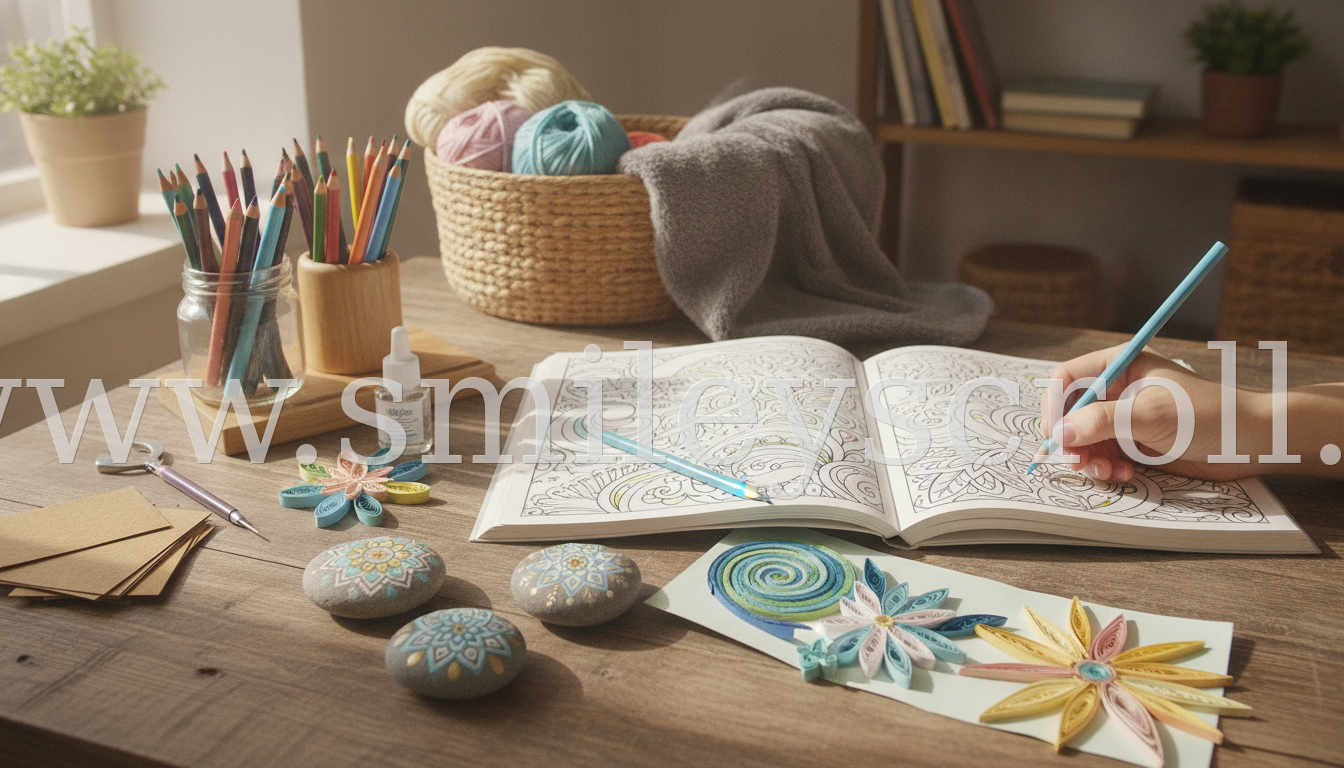
Coloring interrupts this cycle through a process psychologists call attention redirection. Choosing which shade of teal to use, staying inside a tiny line, deciding how to shade a petal — these micro-decisions require just enough focused attention to occupy the parts of your brain that would otherwise be spinning through worried thoughts. It's similar to the mechanism behind mindfulness meditation, but coloring gives your mind a concrete task to anchor to instead of asking you to "just observe your thoughts," which many anxious people find frustrating or even impossible at first.
The Repetition Effect
Repetitive, predictable motions — like shading the same pattern of scales on a mermaid tail or filling in a row of geometric triangles — trigger a mild, rhythmic engagement similar to knitting, walking, or drumming. Research on repetitive behavior shows it can lower activity in the amygdala and promote a steadier, more regulated heart rate. This is one reason patterned, symmetrical designs (mandalas, paisley, geometric grids) tend to feel more soothing than open, unstructured pages.
It Lowers Cortisol — And Researchers Have Measured It
A widely cited 2005 study published in Art Therapy found that just 45 minutes of art-making significantly reduced cortisol levels — the hormone most associated with chronic stress — regardless of artistic skill or experience. Coloring, being one of the most accessible and structured forms of art-making, produces similar effects with almost none of the performance pressure people feel when asked to "create something from nothing."
That performance pressure matters more than people realize. A blank canvas can actually raise anxiety for many adults ("what if I mess it up?"). A coloring page removes that barrier entirely — the lines are already there. You're free to experiment with color choices without the fear of ruining a piece of art from scratch.
The Flow State Connection
Psychologist Mihaly Csikszentmihalyi's concept of "flow" describes a mental state where you're so absorbed in an activity that time seems to disappear and self-critical thoughts fade. Flow requires a task that's challenging enough to hold your attention but not so difficult it causes frustration — which is exactly why coloring books with varying complexity levels work so well.
- Too simple (large, blank shapes) can leave your mind free to wander back to stressors.
- Too complex (dense, tiny detail beyond your patience level) can create frustration instead of calm.
- Just right — like a mid-detail floral or quilled-pattern-inspired design — keeps you in that sweet spot of engaged, effortless focus.
How to Color for Maximum Stress Relief
Knowing the science is one thing — applying it is another. Here are practical, research-informed ways to structure your coloring sessions so you get real anxiety relief, not just a nice finished page.
1. Match the Pattern to Your Mood
If you're feeling scattered or overstimulated, reach for symmetrical, repetitive designs like mandalas or geometric tiles — the predictability is soothing. If you're feeling flat or low-energy, botanical or nature scenes with more organic, varied shapes can feel more engaging and mood-lifting.
2. Color at the Same Time Each Day
Habit-based relaxation is more effective than sporadic relaxation. Even 10 minutes of coloring before bed or during a lunch break trains your nervous system to associate that time with downregulation, similar to how a consistent bedtime routine improves sleep.
3. Breathe With Your Strokes
Try syncing your coloring motion with slow breathing — color on the exhale, pause slightly on the inhale. This combines the proven calming effects of paced breathing with the attention-focusing benefits of coloring for a compounded relaxation response.
4. Limit Your Palette
Decision fatigue is real, and anxious brains are especially prone to it. Instead of dumping out 100 markers, pick 5–6 colors before you start. This keeps the activity soothing rather than turning it into another source of overwhelm.
5. Let Go of "Correct" Coloring
There's no rule that leaves have to be green or skies have to be blue. Perfectionism is one of anxiety's favorite disguises — coloring outside expected norms (or outside the lines entirely) is a small, safe way to practice letting go of control.
Pair Coloring With Other Mindful Crafts
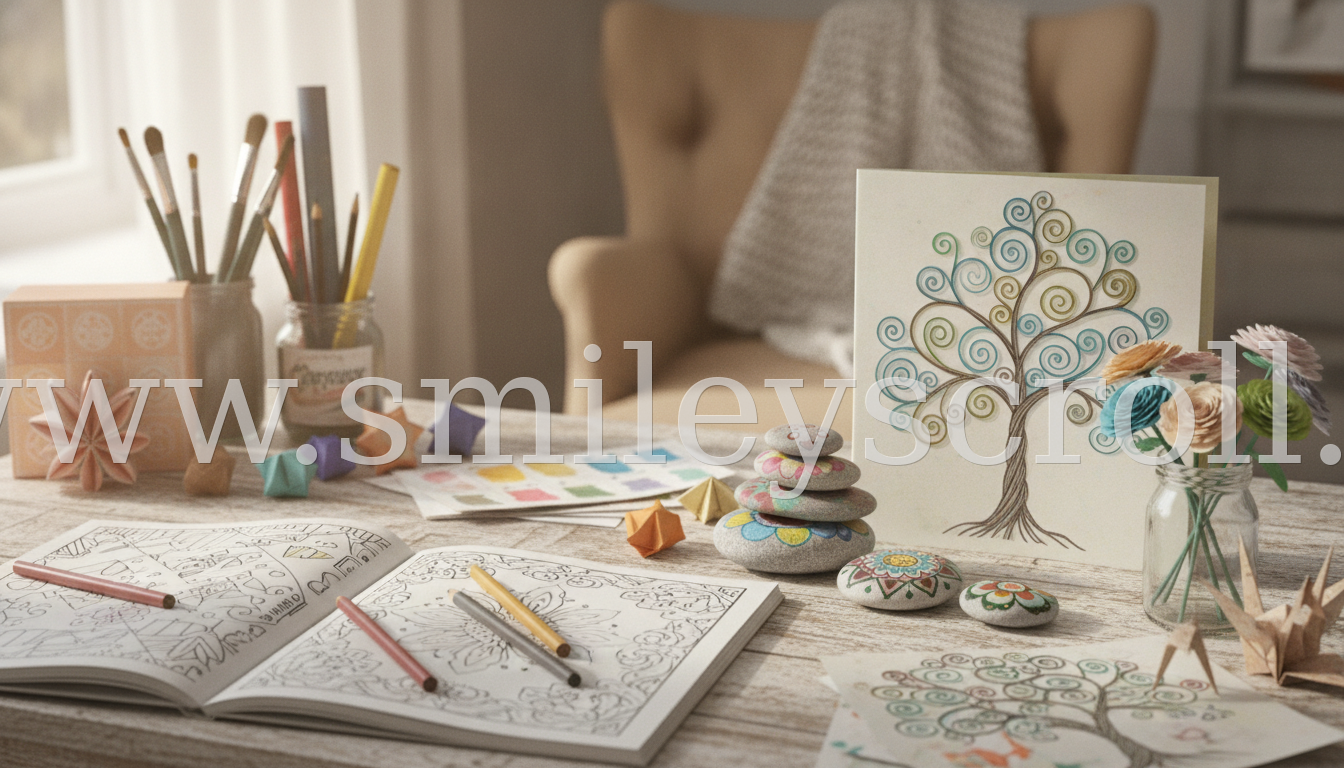
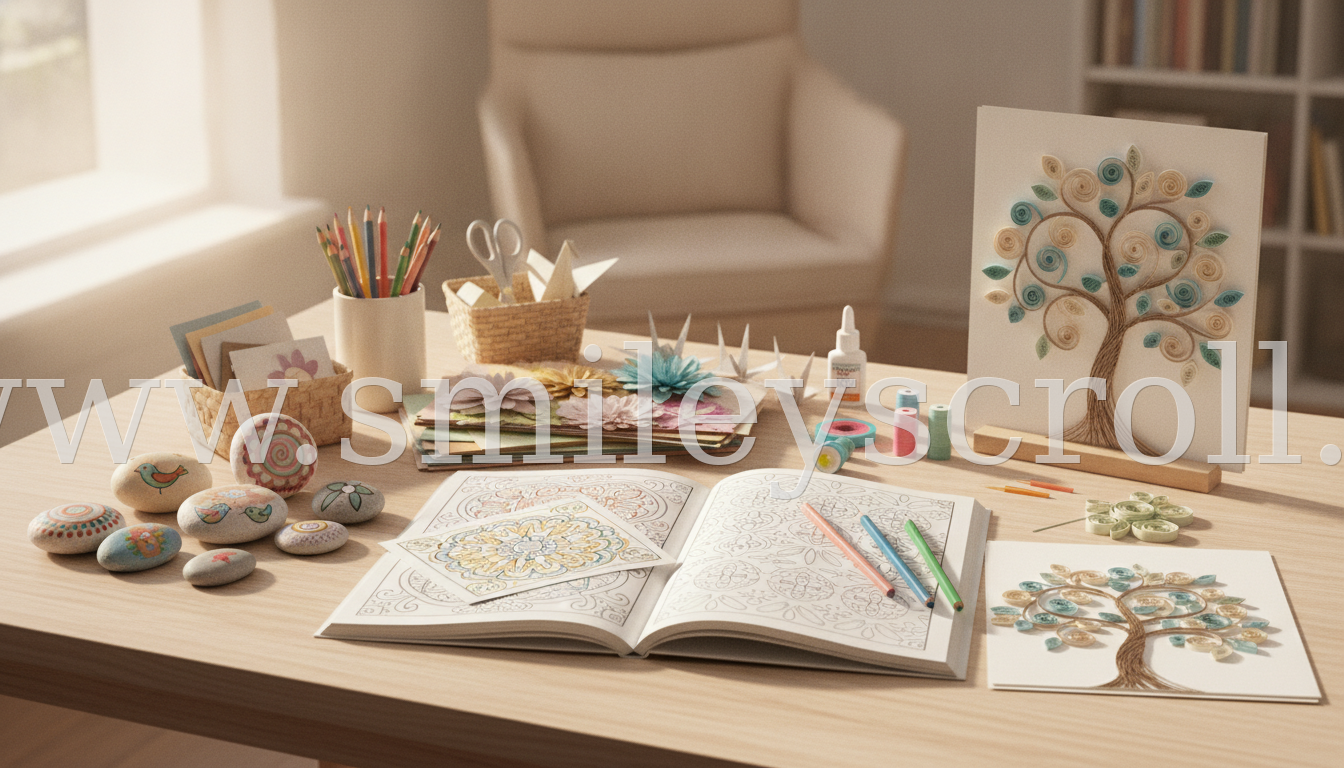
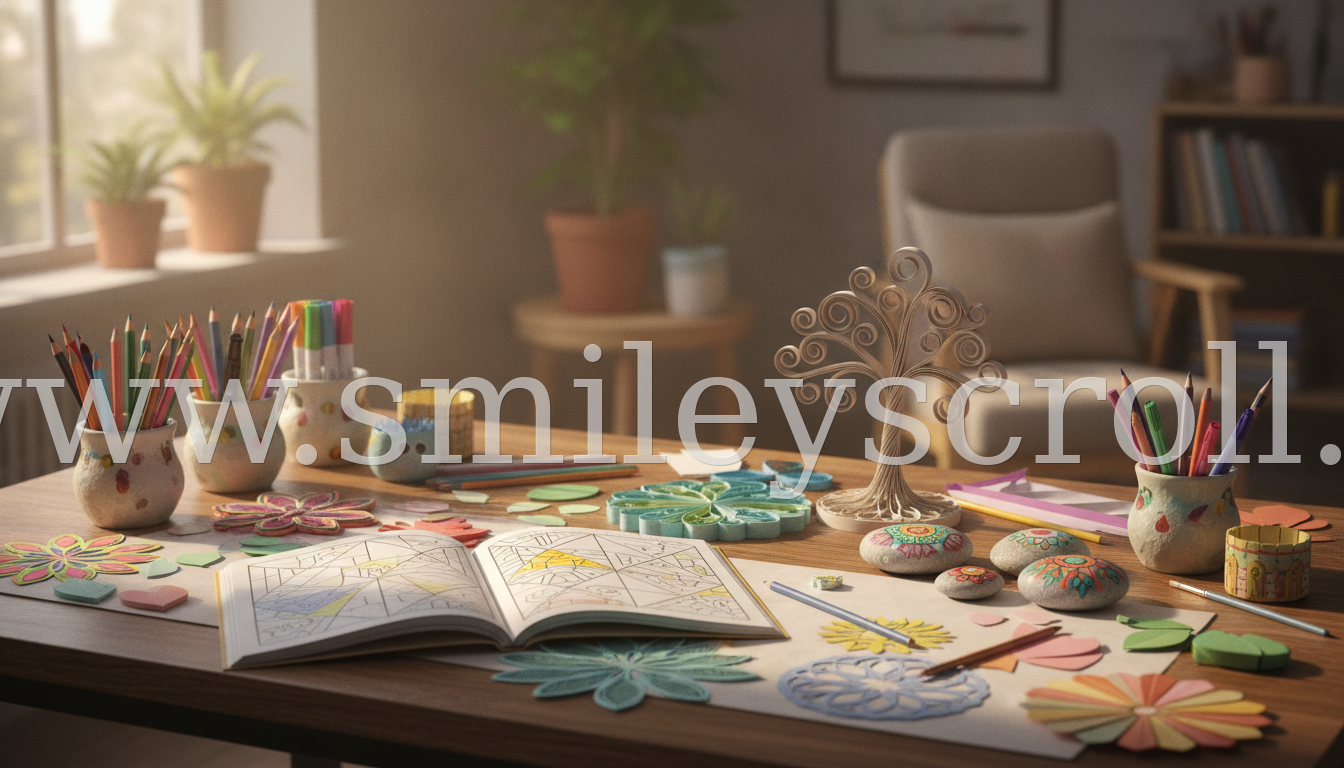
If you find coloring genuinely helps quiet your mind, it's worth knowing the same neurological principles apply to other repetitive, detail-focused crafts. Paper quilling — coiling and shaping thin strips of paper into designs — relies on the same rhythmic, focused motion that makes coloring effective, with the added tactile benefit of working with your hands in three dimensions. Rock painting offers a similar meditative quality, with the bonus of being able to display or gift your finished piece. Rotating between these crafts can keep your relaxation practice fresh while still tapping into the same calming brain mechanisms.
Final Thoughts
Adult coloring books aren't just a nostalgic trend — they're a legitimately effective, science-backed tool for interrupting anxious thought patterns, lowering cortisol, and guiding your brain into a calmer, more focused state. The key is using them intentionally: matching patterns to your mood, building a consistent habit, and letting go of the pressure to color "correctly." Keep a coloring book and a small set of pencils within easy reach, and the next time stress starts to creep in, you'll have a genuinely proven way to bring your nervous system back down to earth.