How to Sell Your Paper Craft Art on Etsy: Full Guide
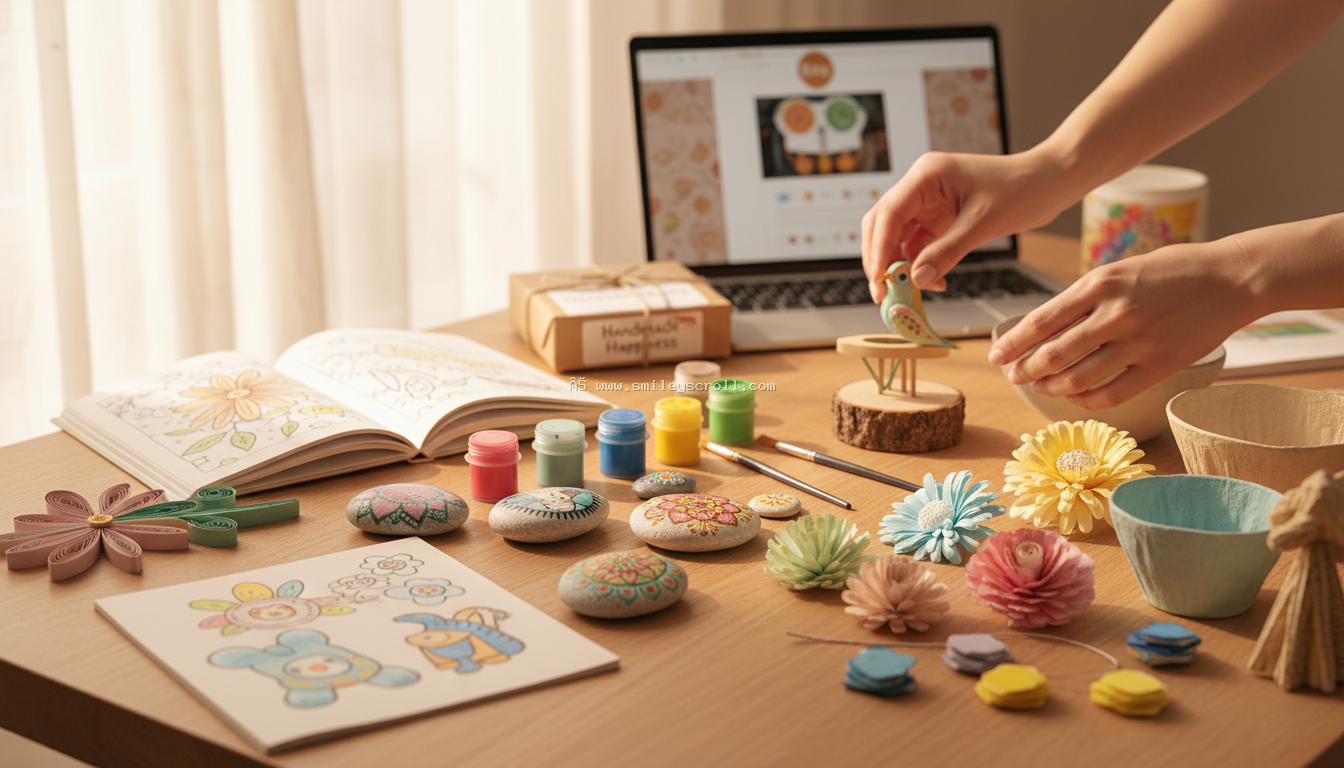
If you've ever spent a quiet evening looping strips of paper into delicate quilled flowers, painting tiny mandalas on smooth river rocks, or filling in a coloring page just for the joy of it, you already have what it takes to start an Etsy shop. Turning that hobby into a source of income can feel intimidating at first, but thousands of makers just like you are building real businesses selling handmade paper craft art online. This tutorial walks you through exactly how to set up, price, photograph, and market your craft so you can start making sales with confidence.
Why Etsy Is a Great Place to Start
Etsy remains one of the best marketplaces for handmade and creative goods because it comes with built-in buyer traffic actively searching for unique, one-of-a-kind items. Unlike building a website from scratch, Etsy lets you focus on what you love — creating — while the platform handles a lot of the technical heavy lifting like payment processing and search visibility.
For paper quilling artists, rock painters, and coloring book creators, Etsy is especially appealing because buyers there tend to appreciate handmade craftsmanship and are willing to pay fair prices for it.
Step 1: Set Up Your Etsy Shop the Right Way
- Choose a memorable shop name that reflects your craft style — think playful, whimsical, or elegant depending on your brand personality.
- Write a warm "About" section sharing your creative story. Buyers love knowing the human behind the handmade item.
- Set clear shop policies for processing time, shipping, and returns so customers know what to expect.
- Add a shop banner and logo that match your craft aesthetic, whether that's soft pastels for quilled art or bold colors for painted rocks.
Take your time here — a polished, professional-looking shop builds instant trust with first-time visitors.
Step 2: Create Listings That Sell
Write Keyword-Rich Titles and Descriptions
Etsy is essentially a search engine, so your titles and tags need to include the words shoppers actually type in. Instead of "Pretty Flower Art," try something like "Paper Quilled Sunflower Wall Art – Handmade 3D Framed Décor." Use all 13 available tags, and think like your customer: What would they search for?
Highlight What Makes Your Craft Special
In your description, explain your process — how many hours go into quilling a single design, what type of acrylic paint you use for rock art, or what kind of paper stock your coloring book pages are printed on. This storytelling builds perceived value and justifies your pricing.
Step 3: Take Photos That Pop
Great photography is one of the biggest sales drivers on Etsy. Follow these tips:
- Use natural, indirect light near a window rather than harsh flash.
- Photograph your piece from multiple angles, including close-ups showing texture — quilled coils, brush strokes, or paper grain.
- Include a lifestyle shot showing the piece in context, like a quilled art frame hanging on a wall or painted rocks arranged in a garden.
- Show scale with a ruler or common object so buyers understand the actual size.
Consistent, bright, well-composed photos instantly make your shop feel more professional and trustworthy.
Step 4: Price Your Art Fairly (and Profitably)
Many new sellers underprice their work out of fear no one will buy it — but this often backfires by making it harder to sustain the business. When pricing, account for:
- Material costs (paper, paint, rocks, sealants, frames, packaging)
- Your time, valued at a fair hourly rate
- Etsy fees (listing fees, transaction fees, and payment processing fees)
- Shipping supplies and costs
- A reasonable profit margin so your shop can grow
A simple formula many crafters use: (Materials + Labor) x 2, then add fees. Don't be afraid to price your quilled art or painted rocks at a rate that reflects the skill involved — handmade buyers expect to pay more than mass-produced alternatives.
Step 5: Prepare for Shipping
Paper art and painted rocks each have unique shipping challenges. Quilled pieces are delicate and can crush easily, so use rigid mailers or small boxes with plenty of padding. Rocks are heavy and can be pricier to ship, so weigh a few finished pieces early on to calculate accurate shipping rates. Always test-pack an item and consider shipping it to yourself first to make sure it arrives intact.
Step 6: Market Your Shop Beyond Etsy Search
While Etsy SEO brings organic traffic, growing your shop faster means marketing outside the platform too:
- Share process videos on Instagram Reels or TikTok — quilling and rock painting are naturally satisfying to watch.
- Join Facebook groups for craft lovers and share your work respectfully, not just spammy links.
- Start a simple email list offering a discount code for first-time buyers.
- Consider Etsy Ads once you have a handful of listings, to boost visibility while you build organic traffic.
Step 7: Deliver a Great Customer Experience
Positive reviews are the backbone of a successful Etsy shop. Include a handwritten thank-you note, package items securely, and respond quickly and kindly to buyer messages. A little care packaging goes a long way toward earning that five-star review and repeat customers.
Common Mistakes to Avoid
- Using blurry or dark photos
- Copying titles/tags from other sellers instead of writing original, specific ones
- Underpricing to "just get sales"
- Ignoring shop analytics that show which listings are getting views but no sales
- Ghosting during slow periods instead of continuing to list new items regularly
Final Thoughts
Selling your paper quilling, rock painting, or coloring book art on Etsy is absolutely achievable with the right setup, honest pricing, and consistent effort. Start small, learn from your first few sales, and keep refining your photos, listings, and marketing as you grow. Your creativity deserves an audience — and Etsy can be the perfect place to find it.