The Fascinating History of Paper Quilling
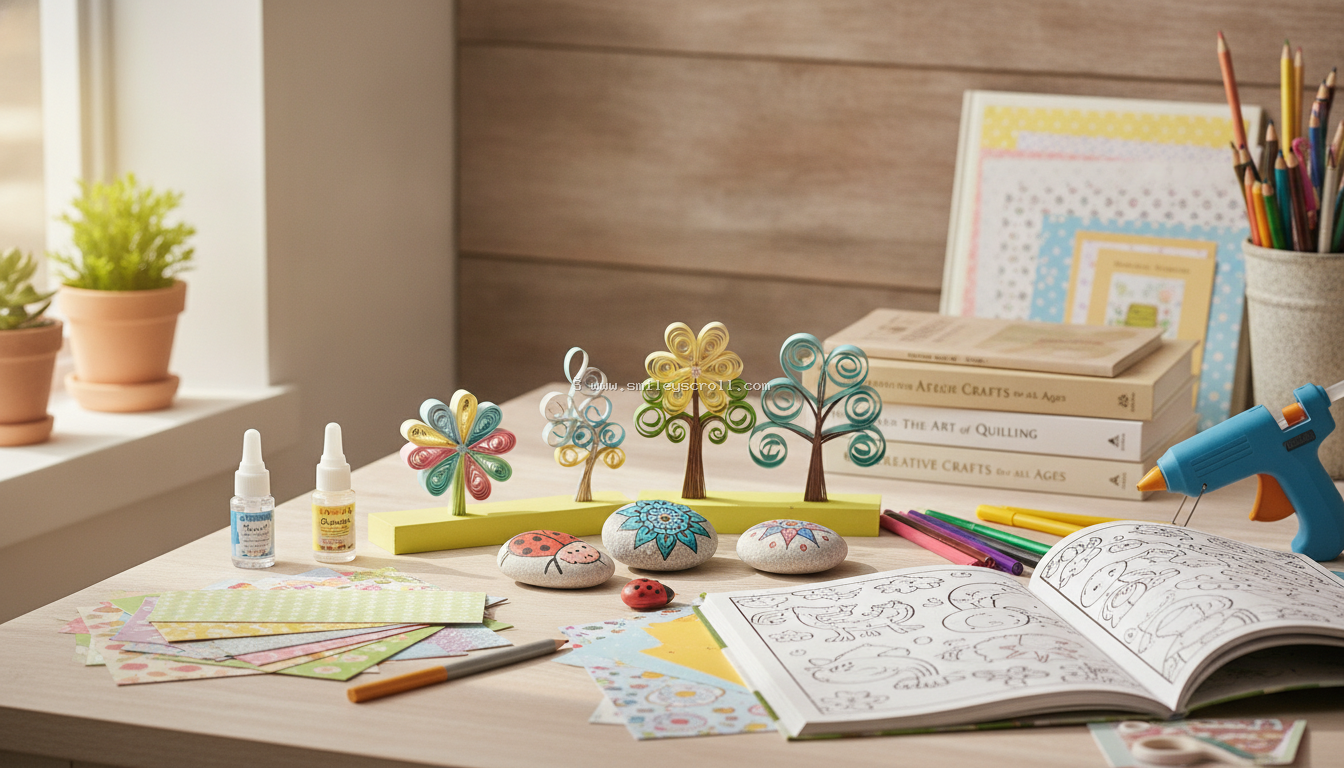
If you've ever twirled a slender strip of paper into a tight coil and watched it blossom into a delicate flower or swirl, you've experienced a tiny piece of centuries-old magic. Paper quilling—sometimes called paper filigree—has a surprisingly rich and elegant history that stretches back hundreds of years. Understanding where this craft came from doesn't just satisfy curiosity; it deepens your appreciation for every coil you make and connects you to a long line of makers who found beauty in a simple strip of paper. Let's take a journey through time to see how quilling evolved into the beloved hobby it is today.
The Ancient Roots of Paper Quilling
While paper quilling as we know it flourished in Europe, some craft historians trace its conceptual roots even further back. Ancient Egyptians and Native American artisans used rolled and shaped materials like gold and silver wire for decorative purposes, which some believe influenced the later development of rolled-paper art. However, the technique most closely resembling modern quilling truly began once paper became widely accessible.
Why Paper Had to Wait
Paper itself wasn't common in Europe until the late Middle Ages, so quilling couldn't emerge until paper production caught up with the artistic imagination. Once paper mills began producing thinner, more pliable sheets, artisans quickly discovered that strips of this material could be rolled, shaped, and glued into intricate designs.
Quilling's Golden Age: The Renaissance and Beyond
Most historians agree that paper quilling as a recognizable art form emerged during the 15th and 16th centuries in Europe. French and Italian nuns and monks are often credited with popularizing the craft. They would take the gilded edges trimmed from bookbinding and religious manuscripts and roll them around a quill—a bird feather—to create decorative borders and religious artwork. This is actually where the craft gets its name: "quilling," derived from the quill pens used as the rolling tool.
These early quilled pieces were often used to decorate:
- Religious icons and reliquaries
- Picture frames and coats of arms
- Tea caddies and small boxes
- Basketry and decorative trays
- Start with a beginner kit: Look for pre-cut paper strips, a slotted quilling tool, and basic glue to avoid early frustration.
- Master the basic coil first: Nearly every quilled design builds on the tight coil and loose coil—practice these before attempting flowers or shapes.
- Use quality paper: Acid-free, consistent-width strips hold their shape better and last longer than random cut paper.
- Work on a non-stick mat: This keeps glued shapes from sticking to your work surface as you build.
- Be patient with symmetry: Uniform coils take practice—don't be discouraged if your first few attempts look uneven.
- Explore templates: Many quilling patterns are available for free online, offering guided practice for shapes like flowers, hearts, and animals.
Because gold leaf was expensive, quilling with gilded paper edges gave the illusion of gold filigree metalwork at a fraction of the cost. This clever substitution made the art form especially popular among convents with limited resources but abundant creativity.
The Georgian Era: A Fashionable Pastime
By the 18th century, paper quilling had crossed the English Channel and become a fashionable pastime among genteel young women in England and its colonies. It was considered a refined "ladylike" accomplishment, much like embroidery or watercolor painting. Wealthy families would purchase quilling kits, and finished pieces adorned tea caddies, cabinets, and even furniture panels.
A Craft of Patience and Precision
During this era, quilling required immense patience. Without modern tools, artisans used actual bird quills or handmade wooden tools to coil each strip by hand. The results were stunningly intricate—flowers, scrollwork, and geometric mosaics that could rival lacework in complexity.
Quilling Crosses the Atlantic
Paper quilling made its way to colonial America, where it took on a slightly different flavor. Historical records show quilled artwork adorning trinket boxes, mirror frames, and memorial art. Some pieces from this period still survive in museums today, offering a tangible link between contemporary crafters and their historical counterparts.
A Quiet Period, Then a Modern Revival
Like many handcrafts, quilling experienced periods of decline, particularly as industrialization shifted focus toward mass-produced goods and new hobbies emerged. However, the craft never fully disappeared. It persisted quietly through the 19th and early 20th centuries, kept alive by dedicated hobbyists and craft teachers.
The real resurgence came in the mid-to-late 20th century, especially in the 1960s and 1970s, when specialty craft stores began selling quilling paper strips, slotted tools, and instructional kits. This democratization of supplies meant quilling was no longer limited to the wealthy or religious institutions—anyone with a bit of patience and a few basic tools could try it at home.
The Digital Age Boost
In recent years, platforms like Pinterest, Instagram, and YouTube have sparked an entirely new wave of interest in paper quilling. Modern crafters share tutorials, templates, and stunning original designs, inspiring beginners around the world to pick up their first slotted tool. What was once a convent pastime is now a thriving global community of hobbyists, professional artists, and small business owners selling quilled jewelry, wall art, and greeting cards.
Why Paper Quilling Endures
Part of what makes quilling so enduring is its accessibility combined with its potential for complexity. A beginner can create a simple coiled flower in minutes, while an advanced artist might spend weeks crafting a detailed portrait or 3D sculpture entirely from rolled paper. This range keeps the craft fresh and endlessly explorable.
Practical Tips for Trying Quilling Today
Inspired by this rich history? Here's how to start your own quilling journey with confidence:
Bringing History Into Your Craft Room
Every time you roll a strip of paper into a coil, you're participating in a tradition that spans continents and centuries—from French convents to Georgian parlors to today's craft tables. That historical thread adds a wonderful sense of meaning to a hobby that's already relaxing and rewarding.
Conclusion
Paper quilling's journey from religious decoration to fashionable pastime to worldwide hobby is a testament to its timeless charm. Whether you're just picking up your first slotted tool or you're a seasoned quiller refining intricate designs, you're carrying forward a beautiful, centuries-old tradition. So next time you sit down with your paper strips, take a moment to appreciate the long and winding history behind every coil—and then get rolling.